



Basic introduction of CNG cylinders and how to inspect CNG cylinders
Firstly, in terms of the characteristics of the fuel itself, the combustion temperature of natural gas is generally above 650 ℃, while that of gasoline is 485 ℃. Natural gas is nearly 200 ℃ higher than gasoline, indicating that it is not as easily ignited as gasoline. The volume limit for combustion of gas in air is 5% to 15%, while gasoline is 1% to 7%. A gasoline concentration of 1% in the atmosphere is prone to ignition and explosion. Natural gas is much better than gasoline because it needs to accumulate up to 5% to reach its lower combustion limit.
More importantly, natural gas is lighter than air, with a density of only 55% of air. With slight leaks, it is easy to diffuse into the atmosphere and does not reach the low combustion limit. When using, it is also necessary to add odorants to natural gas to improve early detection of natural gas leaks and take preventive measures.
The most important thing is that even if the proportion of natural gas in the air reaches the explosive limit, there will be no explosion without a source of ignition. So fireworks must be strictly prohibited in places where natural gas is stored. Finally, there are not many components used in the fuel system of natural gas engines, mainly switches, pressure reducing valves, mixers, etc. The key to these components is the sealing problem. The selection, processing, installation, height, etc. are all carried out under strict quality assurance conditions, and there will be no safety issues. In natural gas vehicle refueling equipment, there are automatic constant pressure, constant temperature control, and shut-off valves. The oil and gas switch on the car can automatically turn off the oil and gas supply to the engine after parking.
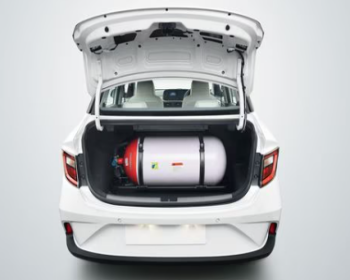
——Most people have a wrong understanding of oil to gas conversion
One investment in oil to gas conversion brings lifelong benefits. The most commonly used car gas cylinder currently is a metal inner liner wrapped with fiber rings and gas sheets, in addition to some steel cylinders. The inspection and testing items for the entire gas cylinder include 12 major items and 23 minor items. The inspection process includes disassembly, residual gas treatment, external testing, valve unloading, cleaning, non-destructive testing, hydrostatic testing, valve installation, etc. It takes about 5 hours to complete the inspection of a gas cylinder. Natural gas is a flammable and explosive gas, so when vehicles undergo refueling, the gas cylinders should be regularly inspected and protected. There are four main reasons for the scrapping of natural gas cylinders: third level damage to the winding layer, thread damage, failure to pass the hydrostatic test, and exceeding the service life. During the use of gas cylinders, car owners place sharp objects in the trunk to scratch the winding layer. In addition, improper installation of gas cylinders in vehicles can cause wear and tear on the cylinder and bracket, which is also an important reason for cylinder scrapping. Moreover, according to national regulations, gas cylinders used in operating vehicles with a service life exceeding 5 years should be scrapped according to standard requirements.
——Knowledge of gas cylinder maintenance
Many car owners are not familiar with the knowledge of car maintenance after the "oil to gas" conversion; The majority of 'oil to gas' users have little understanding of the basic knowledge of using gas cylinders, mainly because they find it troublesome. Some users even do not know the inspection cycle and scrapping time of gas cylinders. The safety hazards of gas cylinders are mostly caused by improper use. The strength of gas cylinder owners' safety awareness is the key to ensuring the safe use of gas cylinders, and adopting correct usage methods is the basic guarantee of cylinder safety. Do not keep the gas cylinder in a high-temperature environment above 60 degrees Celsius for a long time, especially for car owners who place the gas cylinder on the car body and install an iron protective box. They should also pay attention not to expose the vehicle to direct sunlight in summer, not to use it in a high static environment, and avoid the gas cylinder from being hit and coming into contact with chemicals. At the same time, vehicle gas cylinders should be promptly maintained and regularly inspected at the modification factory where the contract is signed to ensure the safety of users and others' lives and property.
——Daily inspections and regular checks are also necessary
Before starting the vehicle, the owner should check the gas cylinder, especially if the vehicle is not used for a long time in winter, the safety valve of the gas cylinder should be turned off. The regular inspection cycle shall not exceed 3 years. The first and second inspections of steel cylinders shall be conducted every 3 years, and after the second inspection, they shall be conducted every 2 years; The inspection of taxi gas cylinders is conducted every two years, and the validity period of the second inspection is one year. Taxi steel cylinders with a service life exceeding 5 years and other vehicle steel plates with a service life exceeding 10 years will not be inspected after registration and will be disposed of as scrap.
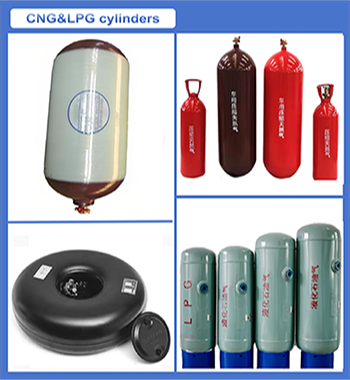
——What are the safety inspections for CNG cylinders
Regarding the safety issues of CNG storage cylinders. For gas cylinders with a pressure of 20Mpa, regardless of the material used, they must undergo the following strict safety inspections.
1、 Hydrostatic pressure explosion test
Fill the sampled gas storage bottle with water, increase the pressure to 56.5Mpa at a rate not exceeding 1.38MPa/s and maintain it for 10 seconds, and finally increase the pressure until it is destroyed.
2、 Pressure cycle test
Conduct a hydrostatic pressure cycling test between 2.5 and 25 MPa for 13000 times; Conduct 5000 tests between 2.3 and 35Mpa, with each test lasting 1 minute, and consider it qualified if there are no cracks or deformations.
3、 Fire resistance test
Fill the CNG cylinder with 25Mpa natural gas and burn it for 20 minutes until no explosion occurs, which is considered qualified.
4、 Falling test
Raise the empty CNG bottle to a height of 3m or higher, repeatedly drop and hit it onto the cement ground, and then perform 13000 water cycles under 10% to 100% working pressure. If no cracks appear, it is considered qualified.
5、 Shooting test
Fill the CNG sample bottle with 25Mpa natural gas, and use an empty armor shell with a speed of 853m/s and a caliber of 0.3in at a distance of 46m to shoot the bottle at a 45 degree angle. Gas cylinders should not have cracks.
In addition, the gas cylinder is also equipped with a safety valve, which contains a 100 ℃ melting alloy and a 26Mpa bursting disc. When the gas pressure and temperature inside the cylinder exceed the above values, it will automatically release gas. Although the development of compressed natural gas vehicles is not yet long, there are still over one million CNG vehicles in the world, and there is no record of gas cylinder explosions or fires caused by traffic accidents during operation. Therefore, compressed natural gas vehicles are safer than gasoline vehicles.
Refer to:https://minnuovessel.com/cng-cylinders-for-vehicles-safety-use-and-inspection-guide/
The pictures and articles are from the internet. If there is any infringement, please contact us to delete them.
prev:nothing
Popular articles
-
How the CNG Automotive S
Compressed natural gas (CNG) automotive systems
-
Advantages Of CNG Gas V
Compressed natural gas vehicles are vehicles th
-
What Is CNG Pressure Red
The pressure reducer of natural gas vehicle is
-
Reasons For High Gas Con
1. Original vehicle condition A. The tec
-

Differences Between Sing
Characteristics of Gas Single Point Device
-

How To Improve The Power
1. Install ignition advance angle What i
-

How The CNG Gas Vehicle
If you want to know – how does the CNG conversi
-

Advantages And Principle
LPG and CNG are two mainstream alternati





Latest comments
0piece comment
no comments, welcome to comment。