



Relevant precautions for using LPG kits in summer
When using LPG kits (related to liquefied petroleum gas, commonly found in vehicle gas systems and cooling spray products containing LPG components) in summer, it is important to focus on preventing safety risks such as flammability, explosiveness, frostbite, and leakage. The core precautions are as follows:
I. General safety basic requirements
Keep away from open flames and heat sources
The main components of LPG are propane and butane, which are flammable and explosive gases. When mixed with air, they are extremely prone to combustion and explosion in the presence of open flames or high-temperature heat sources. Therefore, it is essential to eliminate any sources of ignition throughout the entire usage process, and smoking or using open-flame equipment in the vicinity is strictly prohibited.
Strictly prohibit exposure to high temperatures
LPG is mostly stored in pressure vessels as high-pressure liquid. In summer, exposure to high temperatures can cause the pressure inside the tank to surge, which can easily lead to tank explosion. It is prohibited to leave the kit in a closed car or in a high-temperature area exposed to direct sunlight for extended periods.
Avoid direct contact with skin
When LPG vaporizes, it quickly absorbs a large amount of heat. Direct spraying/contact with the skin can cause a sudden drop in local temperature, leading to frostbite. It is recommended to spray only on non-direct contact areas such as clothing, avoiding the eye area and wounds.
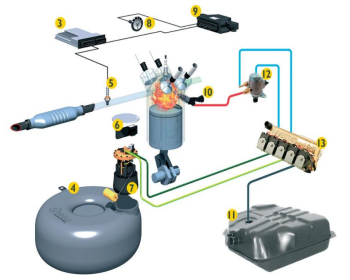
II. Specific points for automotive LPG gas system
Daily pre-trip inspection
Before driving out every day, check whether the hoses are aged and worn, whether the rail bracket is secure, and whether the cylinders are bundled firmly. At the same time, confirm that the combustible gas leak detection alarm functions properly and that the on-board fire extinguisher can be used normally.
Standardize fuel mode switching
When starting the vehicle with gasoline, directly place the switch in the "Gasoline" position. Before switching to LPG mode, it is necessary to first place the switch in the neutral position to burn off any residual gasoline in the fuel system, and then switch to the LPG position to avoid the mixture of gasoline and air affecting system stability.
Ensure the gas quality is compliant
Use compliant automotive LPG with a butadiene content of less than 0.5% and a sulfur content of less than 0.015% to avoid corrosion of system sealing components caused by impurities. At the same time, run the vehicle on gasoline for at least 20 minutes every day to lubricate the valve seat and extend the lifespan of the components.
Leakage emergency response
If LPG leakage is detected while driving, immediately pull over, turn off the power and the manual shut-off valve of the gas cylinder, and switch to gasoline until the fault is resolved. If there is a large amount of leakage and the valve cannot be closed, immediately cut off the power, isolate the scene, evacuate personnel, and call 119 for emergency handling in case of a fire.
Long-term deactivation/reactivation specifications
When LPG is not used for a long time, it is necessary to burn off the residual LPG in the pipeline and evaporator, open the drain hole to clean the contaminated liquid, and avoid corrosion of the sealing parts by residual substances. For kits that have been out of use for more than half a year, safety inspection and debugging must be completed by a qualified professional organization before reuse.
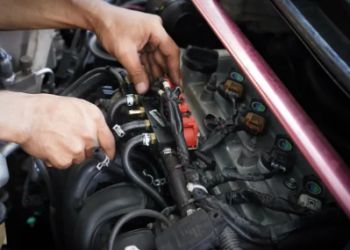
III. Additional requirements for cooling kits containing LPG
Do not use in large quantities in enclosed spaces
Spraying LPG in large quantities in enclosed environments such as cars and small rooms can cause it to accumulate locally, forming explosive gas mixtures that are highly prone to flashover. Therefore, it should be used sparingly in well-ventilated areas.
Avoid children using alone
Children lack the ability to predict risks. When used alone and close to a fire source, or if accidentally sprayed around the eyes, it can easily lead to serious accidents such as burns and suffocation. Parents must supervise the entire process
 Refer to:https://afdc.energy.gov/vehicles/how-do-bifuel-natural-gas-cars-work
The pictures and articles are from the internet. If there is any infringement, please contact us to delete them.
Popular articles
-
How the CNG Automotive S
Compressed natural gas (CNG) automotive systems
-
Advantages Of CNG Gas V
Compressed natural gas vehicles are vehicles th
-
What Is CNG Pressure Red
The pressure reducer of natural gas vehicle is
-
Reasons For High Gas Con
1. Original vehicle condition A. The tec
-
Differences Between Sing
Characteristics of Gas Single Point Device
-
How To Improve The Power
1. Install ignition advance angle What i
-

How The CNG Gas Vehicle
If you want to know – how does the CNG conversi
-
Advantages And Principle
LPG and CNG are two mainstream alternati





Latest comments
0piece comment
no comments, welcome to comment。