



From Oil to Gas: Understanding LPG and CNG Vehicles
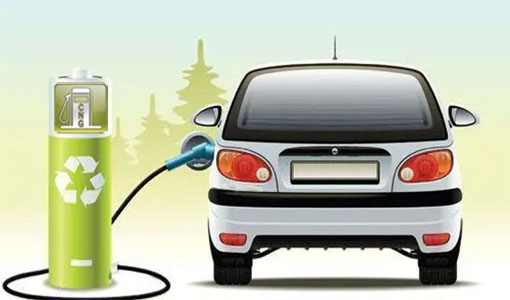
LPG and CNG are two mainstream alternatives to vehicle fuel, and their applications are becoming increasingly widespread with the development of environmental awareness and the automotive industry.
——Definition and advantages of LPG and CNG
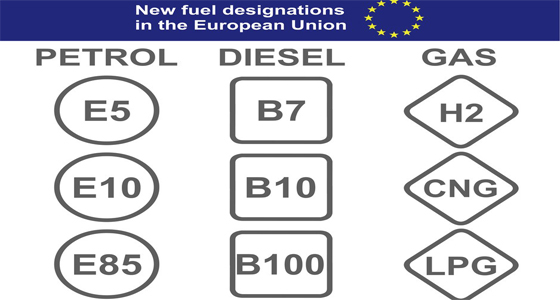
LPG, Liquefied petroleum gas is the process of compressing and cooling natural gas to low temperatures to form a liquid. CNG, Compressed natural gas refers to storing natural gas in a car's fuel tank through compression. Compared to traditional gasoline and diesel, they have the following significant advantages:
1. Environmental Protection: LPG and CNG combustion produces less exhaust gas than traditional fuels, does not produce carbon dioxide and other harmful gases, and has less environmental pollution.
2. Cost saving: LPG and CNG are about 20% cheaper than gasoline and diesel, and have high combustion efficiency, which can save fuel costs.
3. High reliability: LPG and CNG, as automotive fuels, have low combustion temperatures, are less likely to cause engine detonation, and are easy to store and refuel.
—— Scope of application of LPG and CNG
The applicability of LPG and CNG depends on the vehicle type. Generally speaking, LPG is suitable for low-power and lightweight vehicles, such as small cars, vans, taxis, etc. CNG is suitable for high-power heavy-duty vehicles such as buses, trucks, construction vehicles, etc.
—— Installation methods for LPG and CNG vehicles
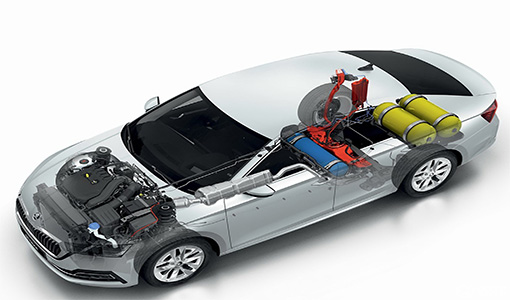
Due to LPG and CNG being unconventional fuels, most cars do not directly support them. Therefore, the installation of LPG and CNG requires the selection of appropriate installation schemes.
1. Integration method: Purchase vehicles with integrated LPG or CNG conversion systems from the factory or dealer, and sign the corresponding installation agreement.
2. Post installation method: Choose to install the system yourself or send the vehicle to a professional post installation workshop for modification.
Regardless of the method used, it is necessary to undergo safety certification and inspection certification by government regulatory agencies to ensure that the modified vehicle complies with relevant safety standards, installation specifications, and laws and regulations.
—— Scope of application of LPG and CNG
The applicability of LPG and CNG depends on the vehicle type. Generally speaking, LPG is suitable for low-power and lightweight vehicles, such as small cars, vans, taxis, etc. CNG is suitable for high-power heavy-duty vehicles such as buses, trucks, construction vehicles, etc.
1. Installation methods for LPG and CNG vehicles
Due to LPG and CNG being unconventional fuels, most cars do not directly support them. Therefore, the installation of LPG and CNG requires the selection of appropriate installation schemes.
2. Integration method: Purchase vehicles with integrated LPG or CNG conversion systems from the factory or dealer, and sign the corresponding installation agreement.
3. Post installation method: Choose to install the system yourself or send the vehicle to a professional post installation workshop for modification.
Regardless of the method used, it is necessary to undergo safety certification and inspection certification by government regulatory agencies to ensure that the modified vehicle complies with relevant safety standards, installation specifications, and laws and regulations.
Popular articles
-
How the CNG Automotive S
Compressed natural gas (CNG) automotive systems
-
What Is CNG Pressure Red
The pressure reducer of natural gas vehicle is
-
Advantages Of CNG Gas V
Compressed natural gas vehicles are vehicles th
-
Reasons For High Gas Con
1. Original vehicle condition A. The tec
-
Differences Between Sing
Characteristics of Gas Single Point Device
-
How To Improve The Power
1. Install ignition advance angle What i
-

How The CNG Gas Vehicle
If you want to know – how does the CNG conversi
-
Advantages And Principle
LPG and CNG are two mainstream alternati





Latest comments
0piece comment
no comments, welcome to comment。