



LPG gas kit guide: How to choose the right conversion system
If you're looking at an LPG gas kit, start here: most users only need a sequential injection system with ECU support and a compatible toroidal tank. For 4-cylinder engines, this setup balances efficiency and reliability. What to look for in an LPG gas kit? Prioritize engine match, certified components, and installer experience—avoid kits labeled "universal" without model-specific tuning data. Over the past year, rising fuel costs have made LPG conversions more appealing, but poor installations still dominate complaints. If you’re a typical user, you don’t need to overthink this.
About LPG Gas Kits
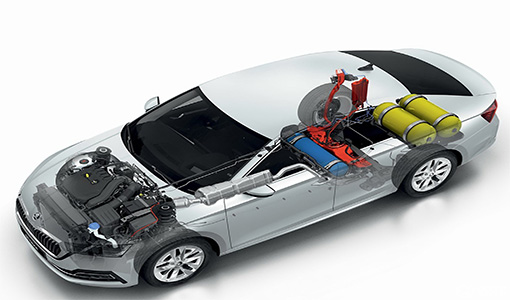
An LPG gas kit enables a petrol-powered engine to run on liquefied petroleum gas. It includes a storage tank, pressure reducer, mixer or injectors, electronic control unit (ECU), and associated hoses and sensors. The system switches between petrol and LPG, allowing dual-fuel operation. Originally used in fleet vehicles, these kits are now common in private cars, especially in regions with high petrol prices or cleaner fuel incentives.
There are two main types: vapor-phase systems (older, lower cost) and liquid-injected systems (newer, more efficient). While both reduce emissions compared to petrol, performance and longevity vary significantly based on design and calibration. If you’re a typical user, you don’t need to overthink this—stick with a known sequential vapor or liquid phase system designed for your engine type.
Why LPG Gas Kits Are Gaining Popularity
Lately, economic and environmental factors have driven interest in LPG conversions. Fuel price volatility has made cheaper alternatives attractive. In many markets, LPG costs up to 40% less per liter than petrol, though actual savings depend on driving patterns and engine efficiency. Additionally, cities with air quality regulations increasingly favor lower-emission fuels, giving LPG an edge over diesel and standard gasoline.
The technology has also matured. Modern kits integrate seamlessly with engine management systems, reducing drivability issues once common with early conversions. DIY availability has expanded, but professional installation remains critical for safety and performance. This piece isn’t for keyword collectors. It’s for people who will actually use the product.
Types and Variants
Not all LPG kits are equal. Choosing the right one depends on your vehicle, usage, and expectations.
1. First Generation (Vaporised, Mixer-Based)
Uses a carburetor-style mixer to blend gas with air before intake. Simple and low-cost.
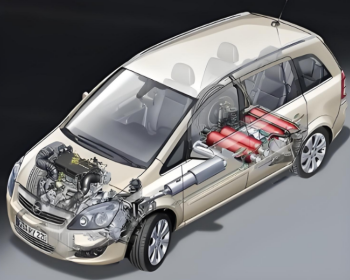
Pros: Affordable, easy to install on older engines
Cons: Poor fuel economy, rough idle, not suitable for modern EFI engines
When it’s worth caring about: Classic cars or low-mileage urban drivers with simple engines.
When you don’t need to overthink it: If your car is post-2000 with fuel injection, skip this type entirely.
2. Second Generation (Vaporised, Injector-Based)
Replaces the mixer with gas injectors timed to engine cycle. Better control than Gen 1.
Pros: Smoother operation, improved economy over Gen 1
Cons: Still prone to icing, limited tuning precision
When it’s worth caring about: Budget-conscious users with older multi-point injection engines.
When you don’t need to overthink it: For newer vehicles, higher output engines, or frequent highway driving—choose newer tech.
3. Third Generation (Sequential Vapor Injection)
Injects gas sequentially into each cylinder, synchronized with petrol injection timing.
Pros: Near-petrol drivability, good efficiency, widely supported
Cons: Requires precise calibration, moderate cost
When it’s worth caring about: Most modern passenger vehicles up to 6 cylinders.
When you don’t need to overthink it: If you drive daily and want reliable performance, this is the baseline choice.
4. Fourth Generation (Liquid Phase Injection)
Pumps liquid LPG directly into the combustion chamber, avoiding vaporization losses.
Pros: Highest efficiency, best power retention, cold-start reliability
Cons: Expensive, complex, limited service network
When it’s worth caring about: High-performance engines or commercial fleets needing maximum ROI.
When you don’t need to overthink it: For average drivers, the added cost rarely justifies marginal gains.
Key Features and Specifications to Evaluate
Selecting a kit isn’t just about price. Focus on compatibility and component quality.
Engine Compatibility
Kits must match engine architecture—number of cylinders, fuel delivery method (MPI, GDI), and ECU interface. A mismatch leads to poor performance or damage.
Tank Type
Toroidal (doughnut): Fits inside spare wheel well; space-saving but limited capacity.
Cylindrical: Higher capacity, mounted in chassis or cargo area; may reduce trunk space.
Donut vs Cylinder trade-off: Toroidal preserves cargo room but holds less fuel—typically 40–50L vs 80–100L.
When it’s worth caring about: Long-distance drivers or those without garage access for refueling.When you don’t need to overthink it: City commuters under 100 km/day can rely on smaller tanks.

Control Unit (ECU)
The brain of the system. Must adapt to real-time conditions like load, temperature, and petrol switch-over. Look for adaptive learning features and OBD-II integration.
—Safety Components
Includes solenoid valves, pressure relief devices, and leak detection. All parts should carry recognized certifications (e.g., ECE R67, ARB).
If you’re a typical user, you don’t need to overthink this—just verify that the full kit meets regional safety standards before purchase.
—Pros and Cons
Bottom line: LPG kits save money over time but require upfront investment and expert installation.
—Advantages
Lower fuel cost per kilometer (where LPG is subsidized or taxed less)
Reduced CO and hydrocarbon emissions
Dual-fuel flexibility—switch back to petrol if needed
Potential insurance discounts in some regions
—Drawbacks
Initial installation cost: may take years to recoup
Tank weight and space loss (especially cylindrical)
Fewer refueling stations than petrol/diesel
Risk of improper tuning leading to engine knocking or valve wear
How to Choose an LPG Gas Kit
This step-by-step guide helps you avoid costly mistakes.
Step-by-Step Checklist
Confirm engine compatibility (cylinder count, aspiration, OEM fuel system)
Determine preferred tank location and size (toroidal vs cylinder)
Select generation level based on budget and performance needs
Verify kit includes certified ECU, reducer, injectors, and wiring harness
Check installer credentials and warranty terms
Ensure documentation supports local compliance verification
Decision Flow
Post-2000 fuel-injected car → Go for Gen 3 or 4
Classic car or carbureted engine → Gen 1 acceptable
City commuter → Toroidal tank, mid-tier Gen 3 kit
Long-haul driver → Cylindrical tank, liquid injection if available
Recommendations by Scenario
Budget sedan (4-cyl): Sequential vapor injection (Gen 3), toroidal tank
SUV or minivan: Cylindrical tank, Gen 3+ with reinforced mounting
Commercial fleet: Liquid injection (Gen 4), centralized diagnostics support
Red Flags / What to Avoid
"Universal" kits without vehicle-specific mapping
No included ECU or vague software claims
Missing safety valves or uncertified pressure regulators
Installers who won’t provide test drive or tuning logs
Price significantly below market average—likely cut corners
If you’re a typical user, you don’t need to overthink this—avoid anything marketed as plug-and-play for modern engines. Real tuning takes time and expertise.
Price & Market Insights
Costs vary widely by region, brand, and installation complexity. A complete Gen 3 kit with toroidal tank may range from $1,500 to $2,800 installed in Europe, while basic Gen 1 setups can be under $1,000. In emerging markets, prices may be lower but certification standards less enforced.
Higher-end Gen 4 systems often exceed $3,500 due to specialized components. Always request itemized quotes separating hardware and labor. Note that retrofitting GDI engines usually costs more due to calibration challenges.
Prices may vary by region/model/seller. Verify retailer return policy and whether warranty covers both parts and labor.
Refer to:https://carinterior.alibaba.com/buyingguides/lpg-gas-kit-buyer%E2%80%99s-guide-types,-fit-pitfalls
The pictures and articles are from the internet. If there is any infringement, please contact us to delete them.
Popular articles
-
How the CNG Automotive S
Compressed natural gas (CNG) automotive systems
-
Advantages Of CNG Gas V
Compressed natural gas vehicles are vehicles th
-
What Is CNG Pressure Red
The pressure reducer of natural gas vehicle is
-
Reasons For High Gas Con
1. Original vehicle condition A. The tec
-
Differences Between Sing
Characteristics of Gas Single Point Device
-
How To Improve The Power
1. Install ignition advance angle What i
-

How The CNG Gas Vehicle
If you want to know – how does the CNG conversi
-
Advantages And Principle
LPG and CNG are two mainstream alternati





Latest comments
0piece comment
no comments, welcome to comment。