



From Oil to Gas: Understanding LPG and CNG Vehicles
LPG and CNG are two mainstream alternatives to vehicle fuel, and their applications are becoming increasingly widespread with growing environmental awareness and the development of the automotive industry.
1. Definitions and Advantages of LPG and CNG
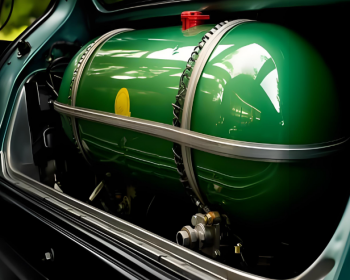
LPG, or liquefied petroleum gas, is formed by compressing and cooling natural gas to a liquid state. CNG, or compressed natural gas, is stored in automotive fuel tanks by compressing natural gas. Compared to traditional gasoline and diesel, they offer the following significant advantages:
Environmental Protection: LPG and CNG produce less exhaust fumes compared to traditional fuels, with no carbon dioxide or other harmful gases emitted, resulting in lower environmental pollution.
2. Cost savings: LPG and CNG are approximately 20% cheaper than gasoline and diesel, and their high combustion efficiency helps reduce fuel expenses.
3. High reliability: LPG and CNG, as automotive fuels, have low combustion temperatures, are less prone to engine knocking, and are easy to store and refuel.
II. Applicable Scope of LPG and CNG
The applicability of LPG and CNG is related to the vehicle model. Generally, LPG is suitable for low-power, lightweight vehicles such as small cars, minivans, taxis, etc., while CNG is suitable for high-power heavy-duty vehicles such as buses, trucks, and construction vehicles.
3. Installation Methods for LPG and CNG Vehicles
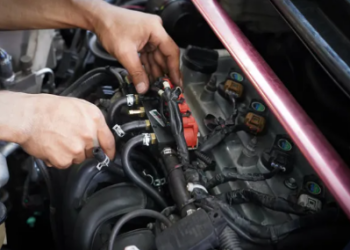
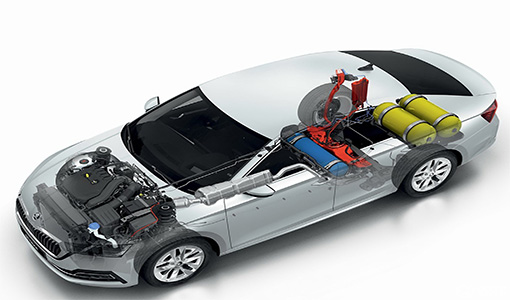
Since LPG and CNG are unconventional fuels, most vehicles do not support them directly. Therefore, installing LPG and CNG requires selecting an appropriate retrofit solution.
1. Integration method: Purchase vehicles equipped with an integrated LPG or CNG conversion system at the factory or distributor, and sign the corresponding installation agreement.
2. Retrofit method: Choose to install the system yourself or send the vehicle to a professional retrofit workshop for modification.
Regardless of the method employed, the modified vehicle must undergo safety certification and inspection by government regulatory authorities to ensure compliance with relevant safety standards, installation specifications, and laws and regulations.
IV. Precautions for the Use of LPG and CNG
Although LPG and CNG have many advantages, there are some precautions to note when using them. The following are the usage considerations:
1. CNG Station Selection: During peak demand periods, insufficient pressure at the station can affect refueling speed and quality. Therefore, choose a reputable CNG station and be mindful of queue wait times.
2. Maintenance and Care: Vehicles using LPG and CNG require regular maintenance and inspections to ensure the proper functioning of the conversion system and fuel valves.
3. Safety Awareness: LPG and CNG can form flammable gases when mixed with air. In the event of leakage or ignition, they pose severe hazards to personnel and vehicles. Therefore, heightened safety awareness is essential during handling and storage.
Conclusion: Currently, LPG and CNG have become sustainable alternatives to traditional gasoline and diesel, with significant advantages. If you are considering modifying your vehicle, you may want to install an LPG or CNG conversion system to enjoy a more environmentally friendly, economical, and reliable driving experience.
Refer to:https://molgasenergy.com/cng-or-lpg-whats-the-difference/
The pictures and articles are from the internet. If there is any infringement, please contact us to delete them.
Popular articles
-
How the CNG Automotive S
Compressed natural gas (CNG) automotive systems
-
Advantages Of CNG Gas V
Compressed natural gas vehicles are vehicles th
-
What Is CNG Pressure Red
The pressure reducer of natural gas vehicle is
-
Reasons For High Gas Con
1. Original vehicle condition A. The tec
-
Differences Between Sing
Characteristics of Gas Single Point Device
-

How To Improve The Power
1. Install ignition advance angle What i
-

How The CNG Gas Vehicle
If you want to know – how does the CNG conversi
-
Advantages And Principle
LPG and CNG are two mainstream alternati





Latest comments
0piece comment
no comments, welcome to comment。